

Analysis
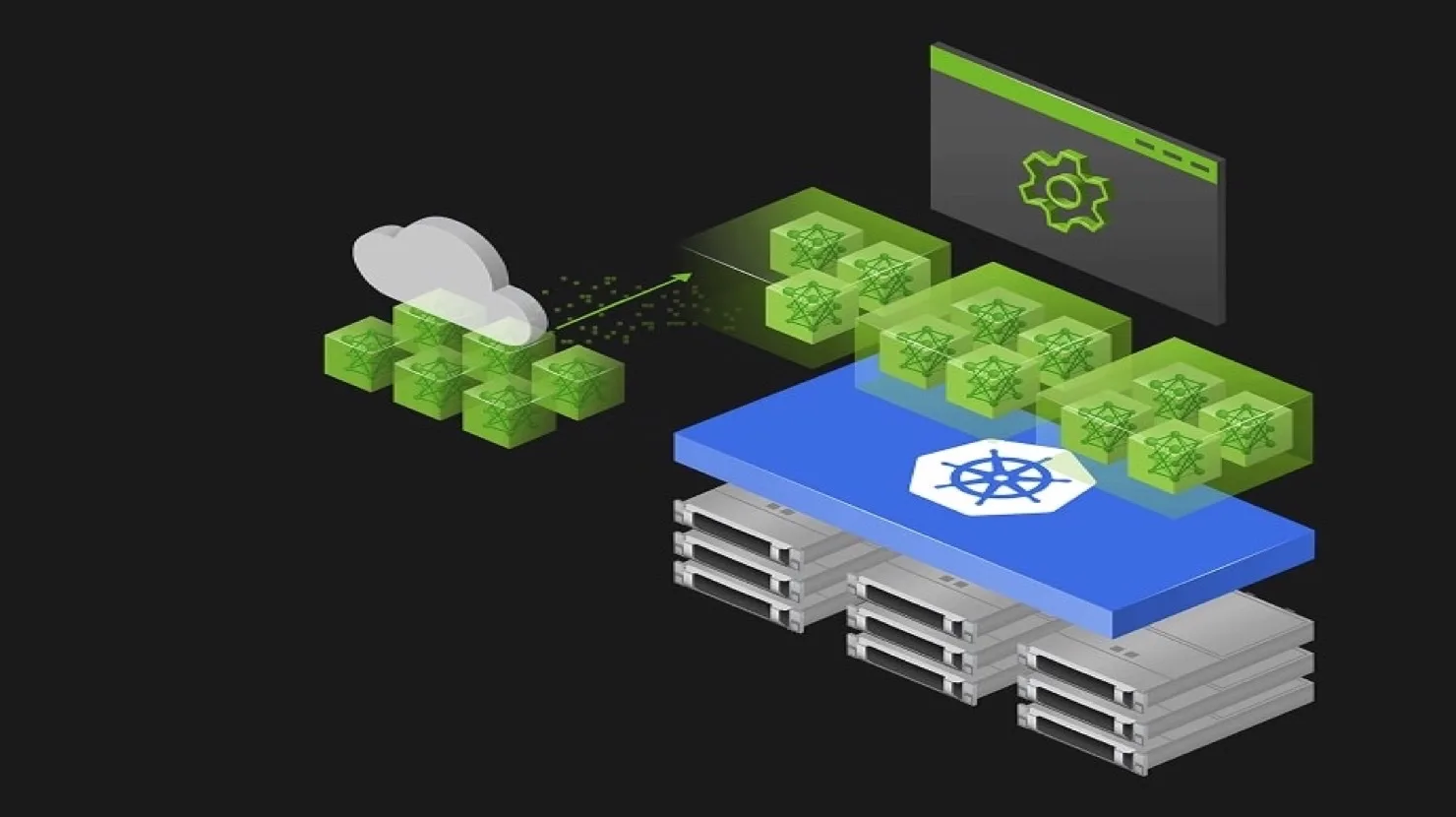
NVIDIA says Mission Control 2.5 brings its autonomous recovery service to Kubernetes workloads using Run:ai, extending a capability previously available for Slurm environments. The company describes the release as available now.
Its design separates three jobs: scheduling work, deciding how an interrupted workload should recover, and checking infrastructure health. A training job can restart on healthy capacity while diagnostics continue on a suspect node. A transient software error need not trigger a hardware quarantine.
Our reading: the useful distinction is between restoring productive work and fixing the underlying fault. Platform teams evaluating the release should test both paths, including repeated failures and the conditions for returning a node to service. NVIDIA's description is not an independent uptime measurement.
Source: How NVIDIA Mission Control 2.5 Brings Autonomous Recovery to Kubernetes · 2026-10-26
Why it matters
A restart is only part of recovery; faulty capacity must stay out of the next job's path.