
Analysis
A technical essay published by SK hynix on October 29 examines why more GPU computation can still leave a system waiting for data. Hanyang University ERICA professor Younghyun Kim describes silicon photonics and co-packaged optics, or CPO, as ways to improve data movement. This is an architectural explanation by a named contributor, rather than an announcement of a new shipping SK hynix product.
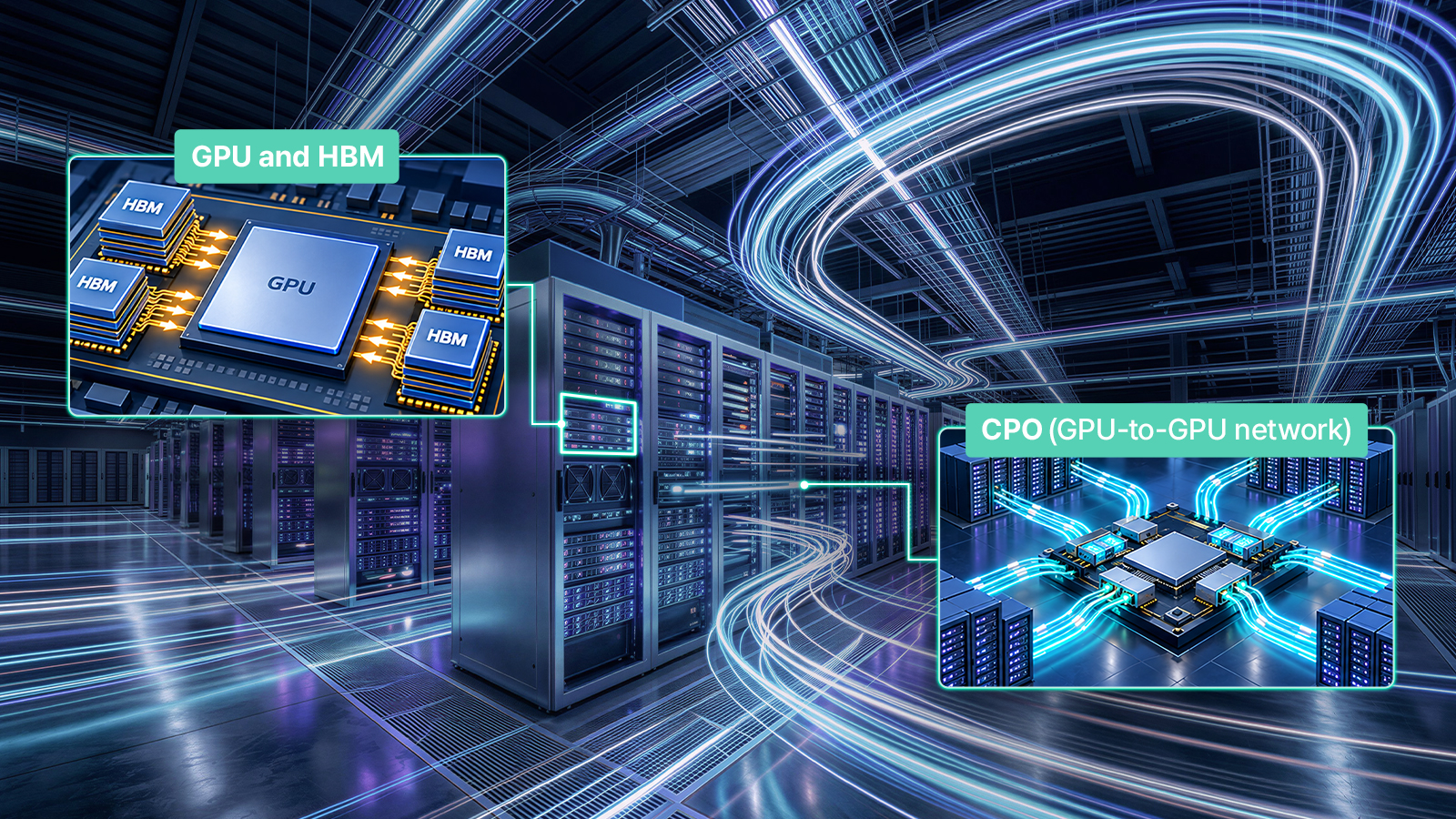
CPO puts optical engines beside a switch chip on a common package, shortening the electrical path before data travels through fiber. The essay pairs that network function with high-bandwidth memory next to a GPU: the two address different parts of the journey. It also notes practical constraints, including heat, fiber connections, manufacturing yield and repair, alongside alternative optical packaging approaches.
Our reading: system buyers need a map of where time and power are spent before deciding which link to replace. A machine waiting for local memory and a cluster waiting for a network exchange present different problems. A component improvement should therefore be evaluated against the application’s actual traffic, rather than treated as a universal multiplier for every workload running on the same hardware.
That suggests a wider procurement test than peak bandwidth alone. How much useful work finishes, how does power change, and what happens when an optical component needs service? The essay does not provide a purchaser’s answer for a specific installation. Its useful contribution is to connect decisions that are often evaluated separately: memory placement, network distance, packaging and the operational cost of keeping the system available.
Source: [Tech Note] Why does AI still have to wait with tens of thousands of GPUs? How silicon photonics and CPO are building the highways of light · 2026-10-29
Why it matters
Faster links matter when they improve the data journey that actually limits useful work.