

Analysis
NVIDIA described its NemoClaw blueprints on October 30 as a way to assemble specialized agents around an existing harness. The supported choices include OpenClaw, Hermes Agent and LangChain Deep Agents. The surrounding stack combines Nemotron models, NeMo optimization tools and OpenShell runtime controls. NemoClaw is the collection of blueprints, rather than a replacement name for either the harness or the runtime.
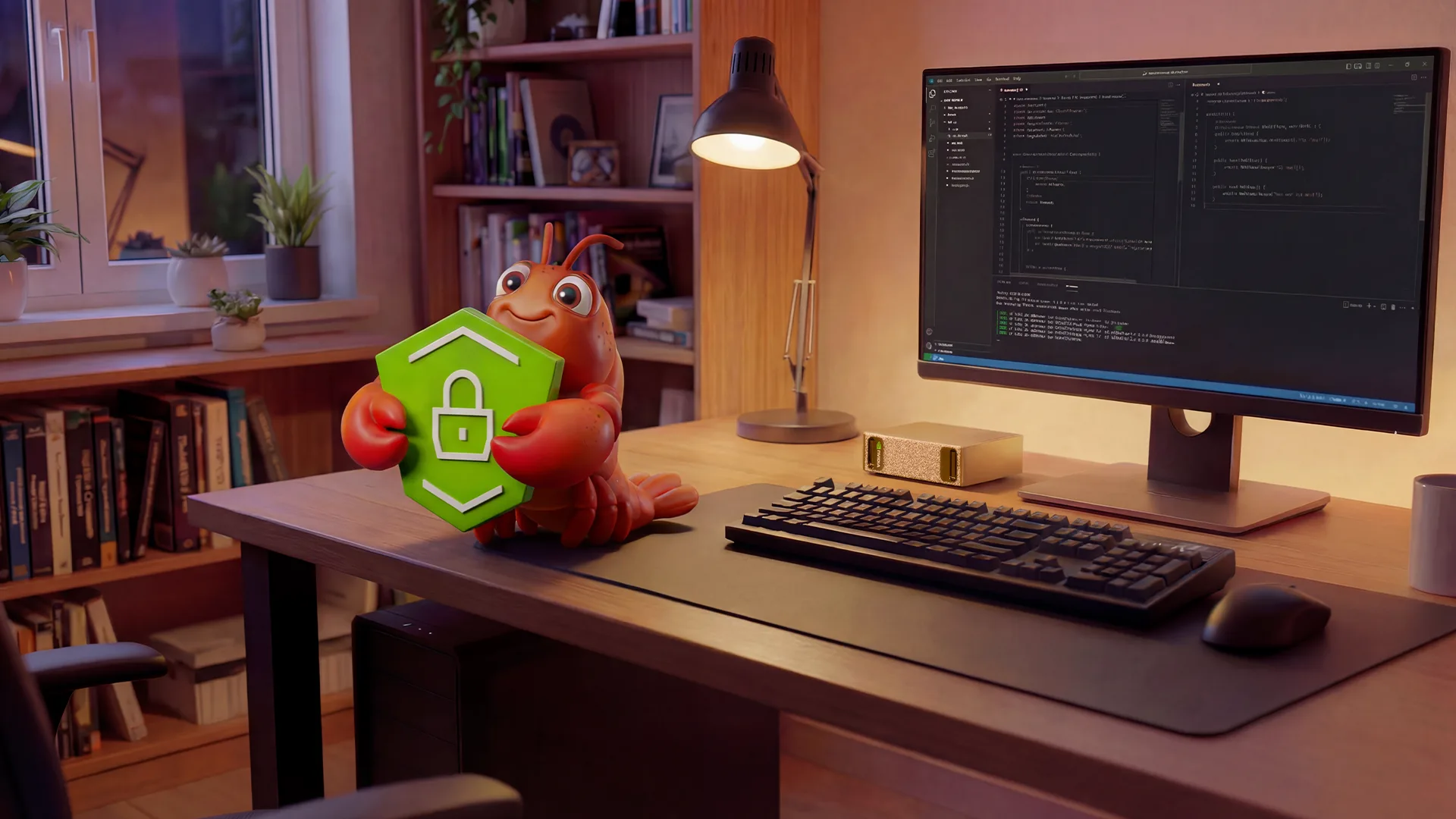
That division matters when an agent has memory and access to real systems. NVIDIA describes OpenShell governing file, process and network access, with managed inference and MCP credentials kept outside the sandbox in its example. The company’s account explains an intended control architecture. It does not establish that every installation or every future agent action is secure.
Our reading: the useful test begins when instructions and permissions disagree. A remembered workflow might ask an agent to contact a service that is outside its approved scope. The model should be able to explain that request, while a separate enforcement mechanism decides whether the action can proceed. That boundary needs to remain intelligible to the person supervising the work, especially when a task spans multiple tools.
A practical evaluation would pair a legitimate task with deliberate access failures: an unavailable credential, a prohibited destination and a file outside the allowed area. Record what the agent attempted, what the runtime stopped and how clearly the failure reached the operator. Then check whether the permitted task still completes. The promise of an assembled stack is less integration work; its value depends on both reliable execution and controls that hold when the conversation becomes misleading.
Source: Build Specialized Agents on a Stack You Control with NVIDIA NemoClaw · 2026-10-30
Why it matters
An agent’s ability to plan a task and its authority to perform each action need separate, observable checks.