
Analysis
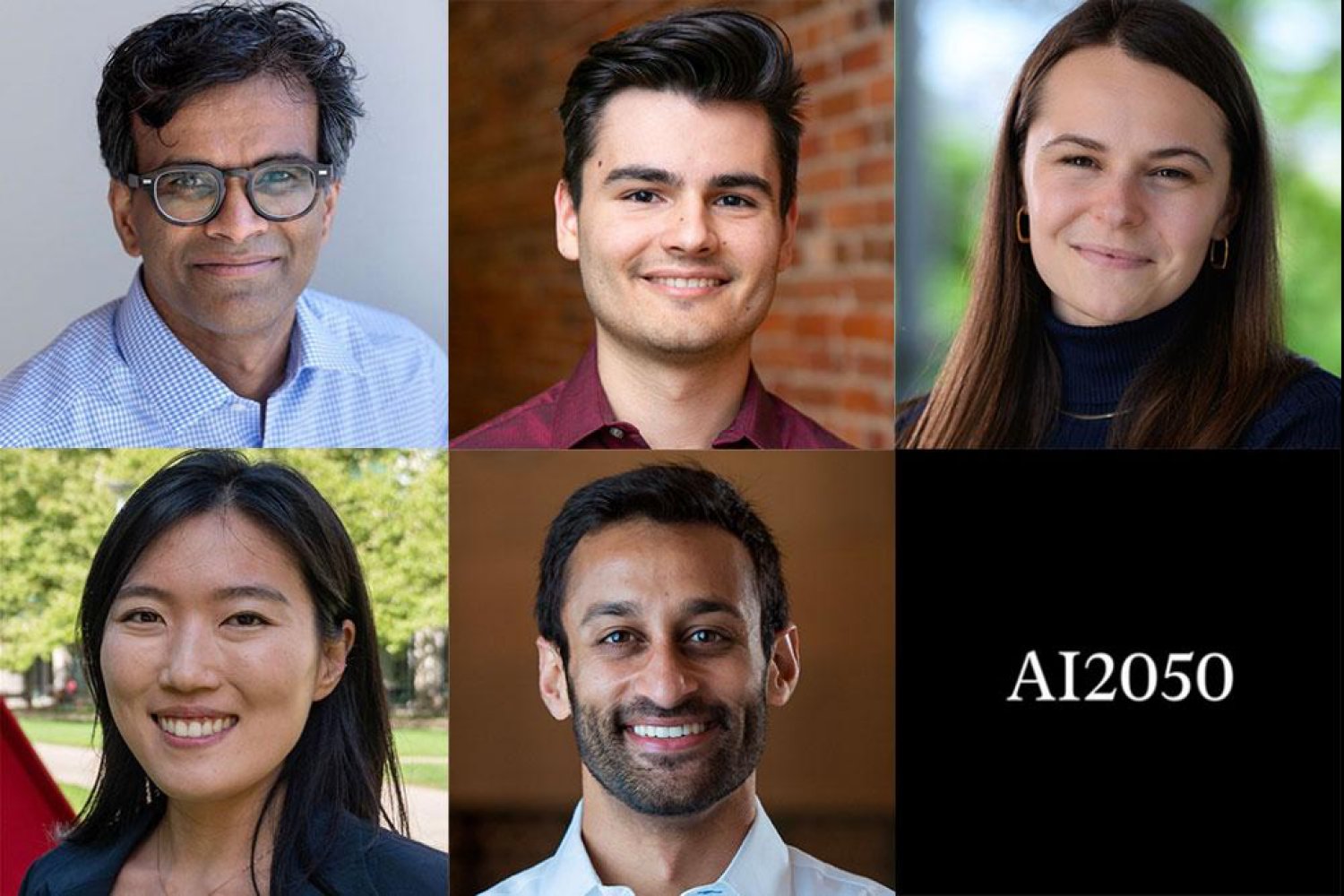
MIT announced on October 30 that five faculty members had been named Schmidt Sciences AI2050 Fellows. Their projects range from improving model training to investigating the social consequences of AI reliance. The programme asks researchers to work toward a future in which AI benefits society. This is an announcement of research support and direction, rather than a report of completed experimental results.
The projects make that ambition tangible in different ways. Sendhil Mullainathan will study how AI-detected patterns can become testable theories. Yunha Hwang’s project concerns biological enzyme functions, while Bailey Flanigan’s focuses on structured public input for lawmakers. Alex Damian addresses effective model training, and Manish Raghavan examines the positive and negative effects of widespread reliance on AI.
Our reading: a valuable feature of this portfolio is that success cannot be reduced to one leaderboard. A tool for scientific discovery needs a claim that can survive an experiment. A system supporting public decisions needs a defensible account of whose views it captures and whose it misses. Combining those purposes into a single score would erase the difficult part of evaluating each application.
For organizations following the work, the practical question is what evidence will eventually change a decision. That could mean a repeatable laboratory finding, a better training method under a fixed budget, or a public-input process that reveals disagreement clearly. Funding creates room to investigate these possibilities; it does not settle them. The useful follow-up will be the methods, limitations and results that emerge, including findings that make an attractive application look less straightforward.
Source: MIT affiliates named 2026 Schmidt Sciences AI2050 Fellows · 2026-10-30
Why it matters
Research programmes become more useful when beneficial outcomes are defined in ways that can be examined and challenged.