

Analysis
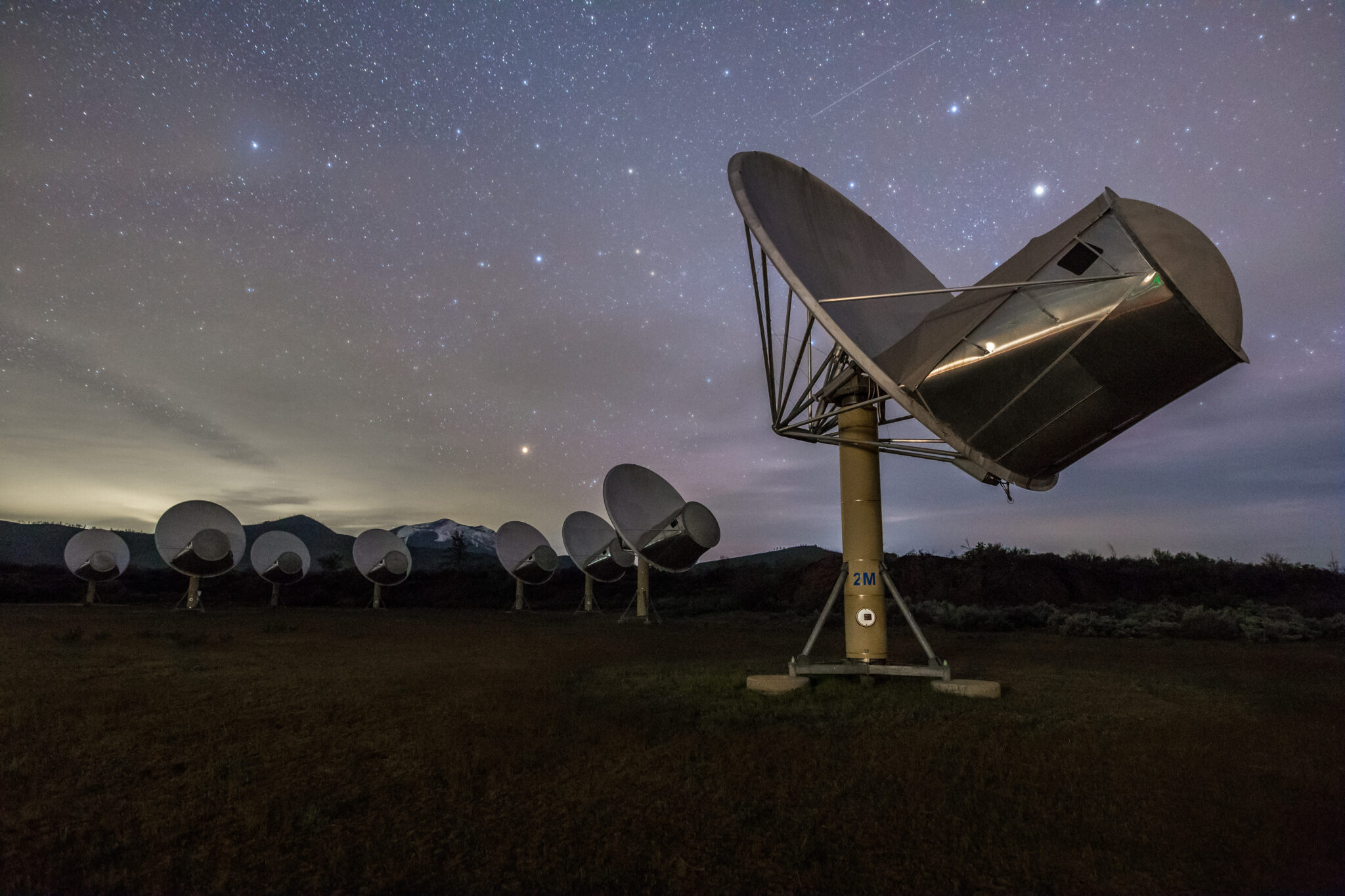
NVIDIA reported on October 30 that Breakthrough Listen and the SETI Institute are integrating agentic AI into operations at the Allen Telescope Array. The described system can coordinate instrument controls and signal-processing work through natural-language requests. Holoscan moves incoming sensor data into GPU processing, while the Nexus orchestration layer exposes instrument and pipeline state to researchers and agents.
The company reports a processing rate of 2.4 terabits per second and a real-time AI detection of the Crab Nebula’s pulsar. A pulsar is a natural astronomical source, not an alien transmission. The reported result demonstrates a particular observing and processing capability; the article does not announce a detection of extraterrestrial intelligence or establish that such a discovery is imminent.
Our reading: faster interaction with an observatory becomes scientifically useful when the resulting observation remains traceable. A researcher should be able to connect a candidate signal to the instrument state, calibration and processing decisions that produced it. When an agent changes a pipeline, its convenience should not make that chain harder to reconstruct. Keeping the original question and the sequence of changes matters as much as a compelling plot.
A sensible follow-up would compare repeated observations and deliberately difficult cases, including interference and known sources, under documented conditions. The goal is to understand what the system misses and what it mistakenly promotes for attention. Automation can expand the amount of data a team examines within a practical budget. Whether a particular candidate warrants scientific excitement still depends on reproducible evidence and careful elimination of more ordinary explanations.
Source: Things That Go Beep in the Night: Agentic AI Joins the Search for Extraterrestrial Signals · 2026-10-30
Why it matters
Processing more telescope data is valuable when researchers can reproduce and scrutinize the signals selected for attention.