
Analysis
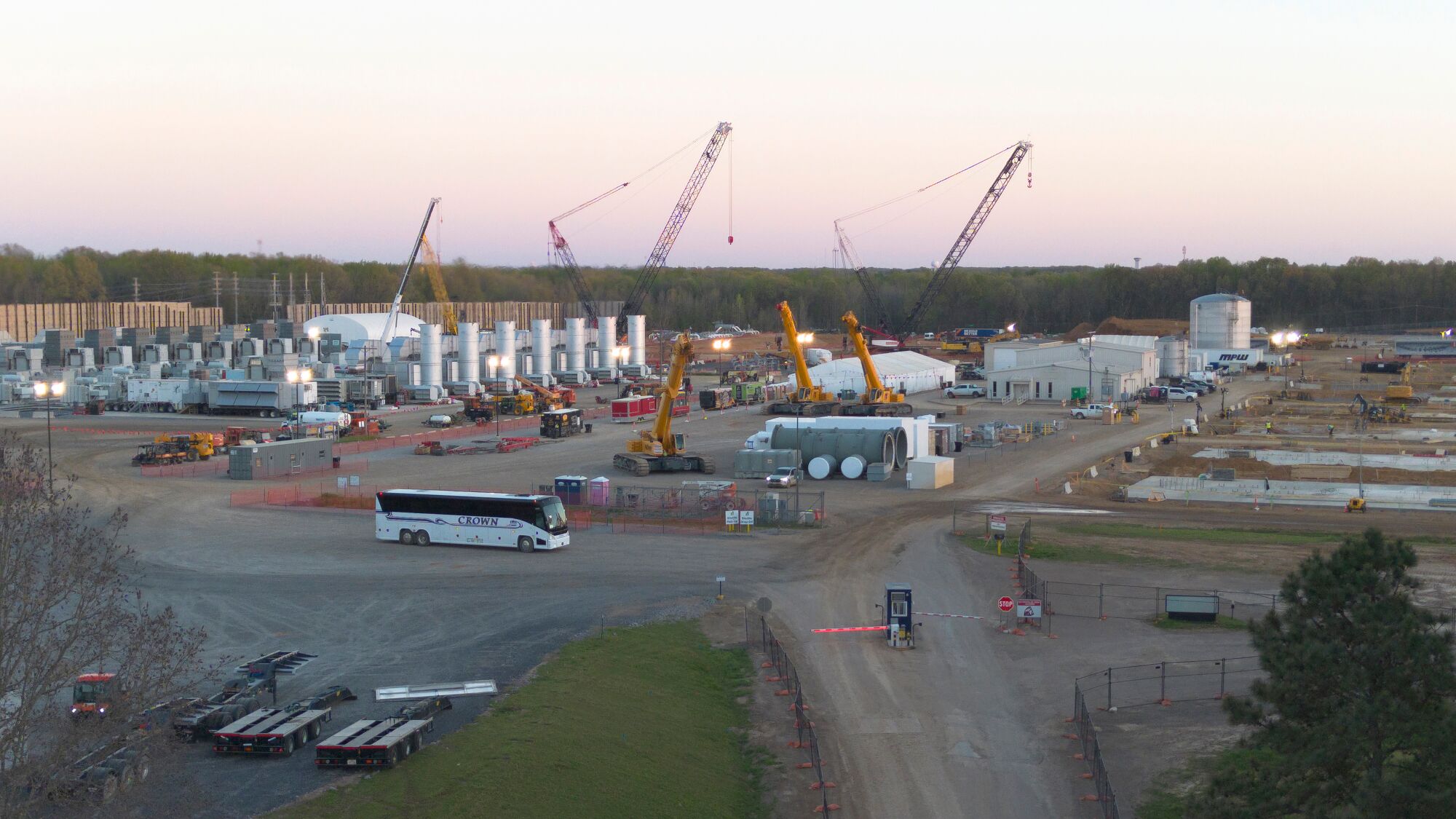
Dozens of combustion turbines sit beside the Colossus data centers in Southaven, Mississippi, burning gas to keep the racks fed. Portable, xAI argued. No state permit needed.
The court did not let the case go on that basis. On Oct. 30, U.S. District Judge Debra M. Brown denied X.AI Corp. and MZX Tech LLC's motion to dismiss the NAACP suit, according to the opinion hosted by Earthjustice. The ruling says the plaintiffs have standing under the Clean Air Act, the turbines are not 'mobile sources' under Mississippi's plan, and the citizen-suit provision is constitutional. That is pleading-stage law, not a finding of pollution or a permit violation.
The underlying claims, filed April 14 and still unproven, are that the 'Colossus Gas Plant' was built and run without a state permit, without a PSD permit or best available control technology, and in breach of NESHAP Subpart YYYY. The plaintiffs seek an injunction requiring controls and cleanup, plus penalties of up to $124,426 per day per violation. CNBC's account of the complaint puts the build at 27 turbines installed August to December 2025; xAI's position, as summarized by the court and CNBC, is that the units are mobile and exempt and the suit itself is improper. SpaceX, which now owns xAI, did not immediately respond to CNBC or TechCrunch, per those outlets. Counsel's estimate — not a measured result — puts potential emissions above 5,000 tons of NOx a year.
For context, the 15-turbine air permit that CNBC reported the Shelby County Health Department issued on July 2, 2025 covers the Memphis, Tennessee site, not this Southaven plant.
If you run backup power, pull your permit file, load curve and maintenance roster, then change one condition at a time on your own site and see what still holds.
Source: NAACP v. X.AI Corp., No. 3:26-cv-74-DMB-JMV, Opinion and Order (Doc. 139) · 2026-10-30
Why it matters
Small operators betting on on-site gas need to treat permits and controls as part of the installation, not paperwork after the fact.