AI-generated voice reading this dated edition's top Journal headlines.
Transcript
This is Silver Owl Journal for Sunday, November first, twenty twenty-six. Here are today’s seven stories.
A voice agent has to answer on time. An NVIDIA engineer turned a garage door into a talking Halloween character using a small Nemotron model on one workstation. The author reports about one point seven seconds from a visitor’s last word to the reply. Real-visitor testing was still pending.
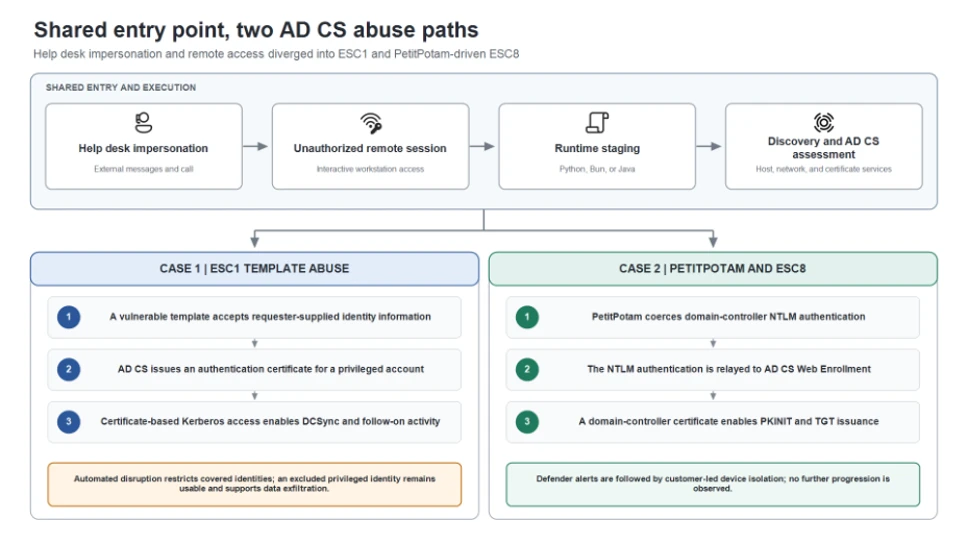
The help desk call ends at the certificate authority. Microsoft traced two intrusions that began with fake IT support calls in Teams. How far each one went depended on certificate services: a permissive template in one case, a relay to web enrollment in the other.
A matching hash does not prove the running model. NVIDIA and Eclypsium say compromised infrastructure could change a model’s behavior in memory while file and signature checks still passed. Model integrity depends on the host underneath it.
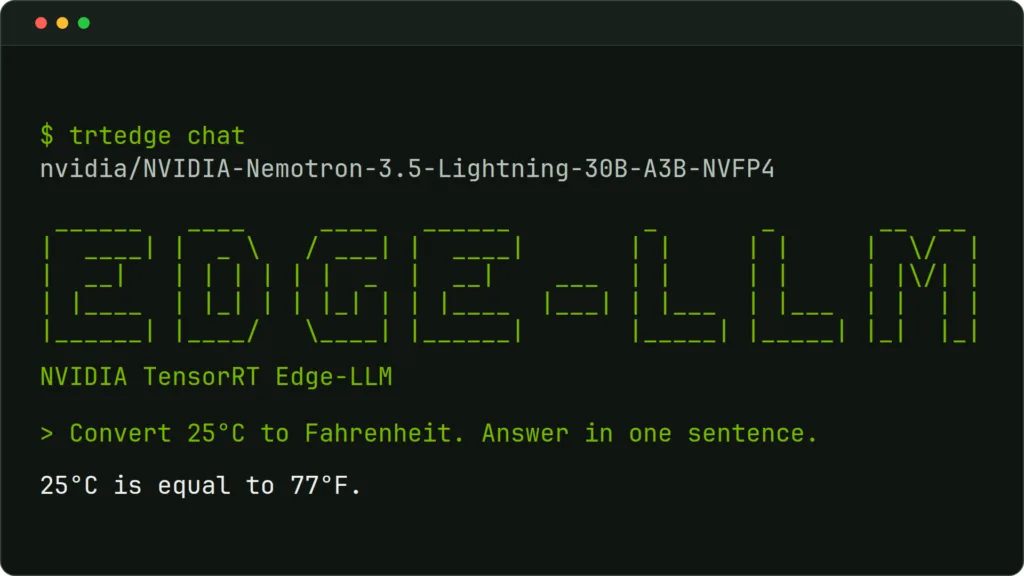
A few commands still need a measured target. NVIDIA’s TensorRT Edge-LLM serves a Nemotron model behind a local API in a handful of commands. Its reported speedups come from single-request tests with short answers, so teams should measure their own workloads.
Type hints now have a second reader. Meta’s Python Typing Survey finds that many developers now write type hints for AI coding tools as well as for people. The survey is self-selected, and checker vendors helped shape it.
Public science needs files a model can use. Project ProtoStar asks universities to release publicly funded data and code in machine-ready form. Its first open challenge, on climate forecasting, starts November second.
Science credits now flow through institutions. Anthropic is extending its AI for Science credits through funders, institutes and research projects. No credit amounts or quantified results have been published yet.
Read the full analysis in today’s Silver Owl Journal. Thanks for listening.
Timed captions (WebVTT)