AI-generated voice reading this dated edition's top Journal headlines.
Transcript
This is Silver Owl Journal for Monday, November second, twenty twenty-six. Here are today’s seven stories.
Anthropic’s IPO Offers One Vote, One Share—Just Not for You. Anthropic has filed to list on Nasdaq under the symbol A-N-T. A single share held by an LLC owned by the seven co-founders carries fifty point one percent of the vote, in Fortune's reading of the filing, so public shareholders get the economics but not control.
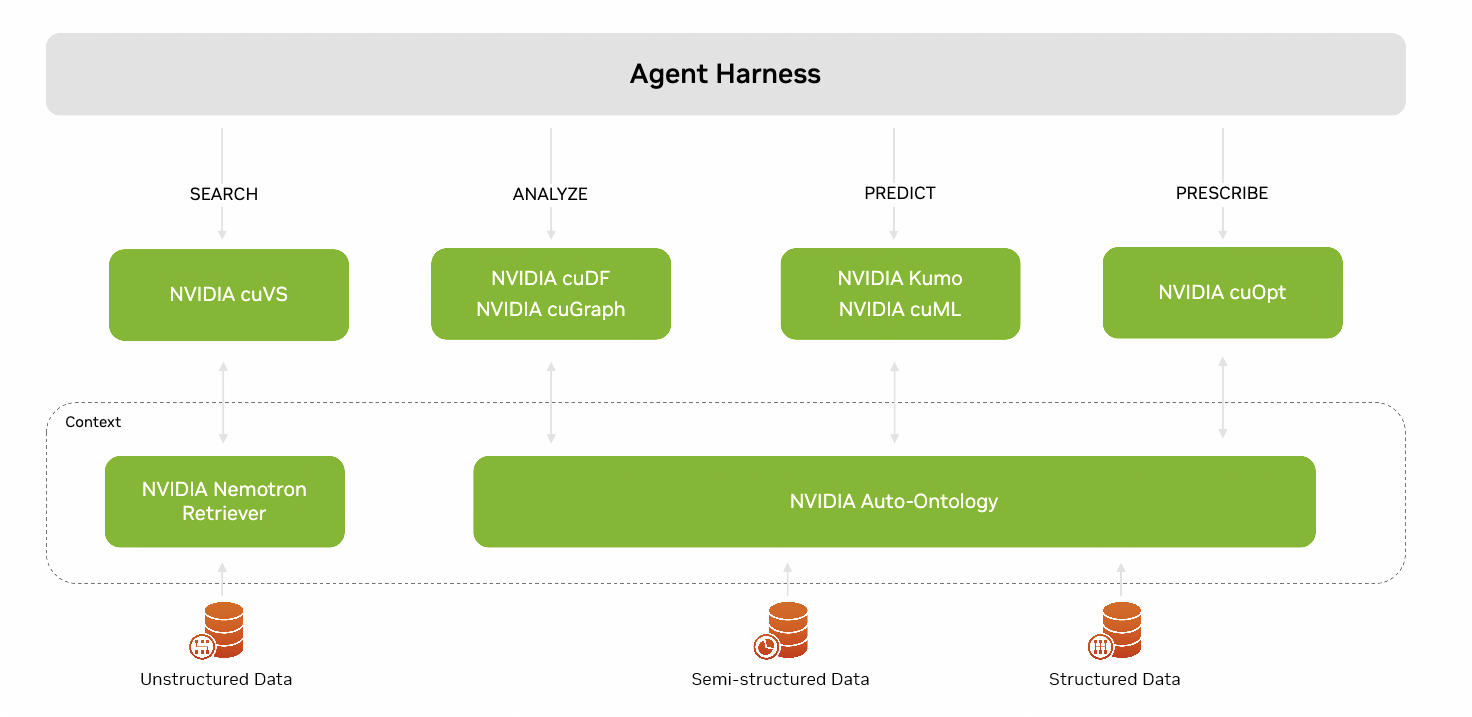
NVIDIA’s Ontology Still Needs a Business Sign-Off. NVIDIA has published Auto Ontology, a Python framework that builds a business-meaning layer for AI agents before they query company data. NVIDIA's own workflow treats that layer as a draft that business experts still have to certify.
OpenAI’s Post-Midterm Pitch: AI Compute Campuses and a 2028 Trailer. Axios reports OpenAI is planning a policy push after the midterms, including calling its data centers AI compute campuses. Politico says the company is already pitching twenty twenty-eight hopefuls on how to talk about AI.
A gas plant by another name still needs a permit. A federal judge in Mississippi has let the NAACP's Clean Air Act suit over xAI's gas turbines in Southaven go forward. The ruling rejects xAI's bid to dismiss; the pollution claims themselves are still unproven.
AI's biggest backers are buying protection against their own bet. Investors are paying for protection against the AI trade, through put options, credit default swaps and even contracts on computing power. Hedging is not a verdict, but it signals how much rides on the bet.
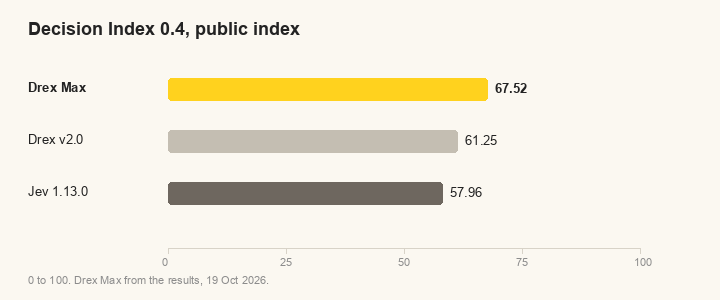
What Would Count as Evidence for a Dedicated Decision Model? Nace AI has released open weights for Drex Max, a model that scores fixed choices instead of writing text. Its benchmark numbers are vendor-reported and need Nace's own loader to reproduce, and the license limits commercial use.
Ghost citations, then a nonsense label. IEEE Spectrum reports that IEEE Access caught one AI-faked paper on made-up citations and rejected a second, which used real references, for leaning on preprints. Two catches are a warning, not a score for peer review.
Read the full analysis in today’s Silver Owl Journal. Thanks for listening.
Timed captions (WebVTT)